

From Clinic to Continent: Building a Regional Business
For many African SMEs, the biggest obstacle to growth is not demand. It is access to the right funding at the right time.
That was the challenge facing Diagnostic Herbal Industries Limited, a Ghanaian herbal manufacturing company that had already built a solid foundation for growth. Its flagship product, Thormtina-74, is fully registered with Ghana’s Food and Drugs Authority and the business is ISO 9001-certified. With distribution into markets such as South Africa and Nigeria, the company had moved well beyond its origins as a local clinic and was beginning to establish itself as a regional player in the herbal pharmaceutical and nutraceutical sector.
The demand was there. The ambition was there. But like many small and medium-sized manufacturers, the business faced a familiar growth constraint: limited working capital to scale production and meet rising off-taker demand.
When growth creates pressure
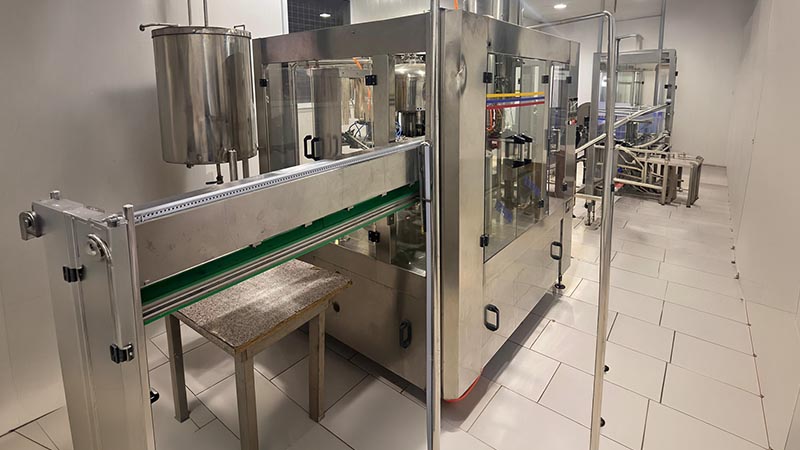
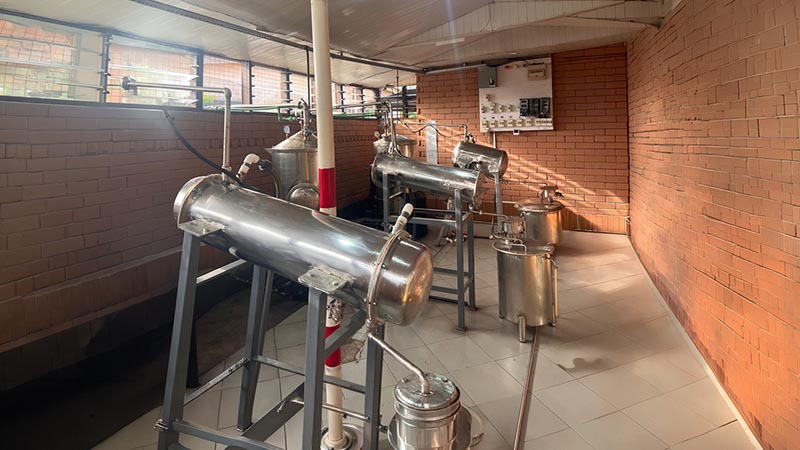
For SMEs operating in manufacturing and agribusiness, growth often brings its own challenges. More orders require more stock, more production capacity, and more efficient operations. Without timely access to finance, even a promising business can struggle to keep up with demand.
Diagnostic Herbal Industries found itself in exactly that position. Lengthy credit processes delayed access to funding, while the business needed a solution that matched its operational realities. As a youth-led enterprise in a sector with strong growth potential, it needed more than a generic lending product. It needed a financing structure that would support production cycles, ease cashflow pressure and allow management to focus on expansion.
A solution built around the business
The turning point came through a partnership between Standard Bank and the Mastercard Foundation. Together, they provided a working capital facility of R1.5 million designed to support the company’s next stage of growth.
What made the solution effective was not only the capital itself, but the way it was structured. Concessional funding support from the Mastercard Foundation helped improve affordability, reducing the cost burden on the business. Standard Bank also provided digital banking tools to streamline transaction management, helping the company manage operations more efficiently as it scaled production and strengthened regional trade relationships.
This was not simply about funding a business. It was about understanding what the business needed to grow sustainably.
.jpg)
.jpg)
The impact beyond the balance sheet
Since receiving the facility, Diagnostic Herbal Industries has created 41 new jobs, 25 of them held by women. In a context where youth unemployment remains a major challenge, this growth has had an impact far beyond the company itself.
The business is not only expanding its own footprint. It is also strengthening local manufacturing capacity and contributing to a wider value chain in herbal pharmaceuticals and nutraceuticals, sectors with growing potential across the continent.
For the people now employed by the company, the impact is immediate and tangible: stable work, opportunities to build skills, and participation in a business that is taking locally produced Ghanaian products into regional markets.
What other SMEs can learn
There are important lessons here for other entrepreneurs and business owners.
First, commercial traction alone is not always enough to unlock growth. Diagnostic Herbal Industries had product certification, market demand and export activity, yet still faced funding constraints. What made the difference was access to finance structured around the needs of the business.
Second, concessional funding can play a vital role in making growth more affordable. When commercial banking capability is combined with development-focused support, SMEs are better placed to access finance that matches their stage of growth.
Third, digital tools matter. As businesses scale, manual systems can become a bottleneck. Streamlined transaction management and improved visibility can make a real difference for SMEs operating across borders or managing more complex supply chains.
A model for inclusive growth
Diagnostic Herbal Industries’ journey shows what is possible when finance is tailored to business realities. It also highlights the value of partnerships that bring together commercial expertise and development impact.
For Standard Bank, supporting businesses like this forms part of a broader commitment to enabling growth, strengthening local industry and helping SMEs scale sustainably. For the Mastercard Foundation, it reflects the importance of investing in youth-inclusive enterprises that create jobs and broaden economic participation.
For entrepreneurs reading this, the message is clear: the right financial partner does more than provide capital. It helps unlock the conditions for growth.
Diagnostic Herbal Industries is now better positioned to deepen its presence in regional markets and continue building a business that bridges local innovation, manufacturing capability and continental opportunity. What began as a clinic is becoming something much bigger: a business with the potential to create jobs, strengthen value chains and prove that with the right support, African SMEs can grow from local success stories into regional leaders.
Standard Bank, in partnership with the Mastercard Foundation, provides tailored financing and digital solutions to support youth-inclusive businesses and agribusinesses across Africa. The goal is to help enterprises like Diagnostic Herbal Industries scale sustainably while driving employment and inclusive economic growth.